
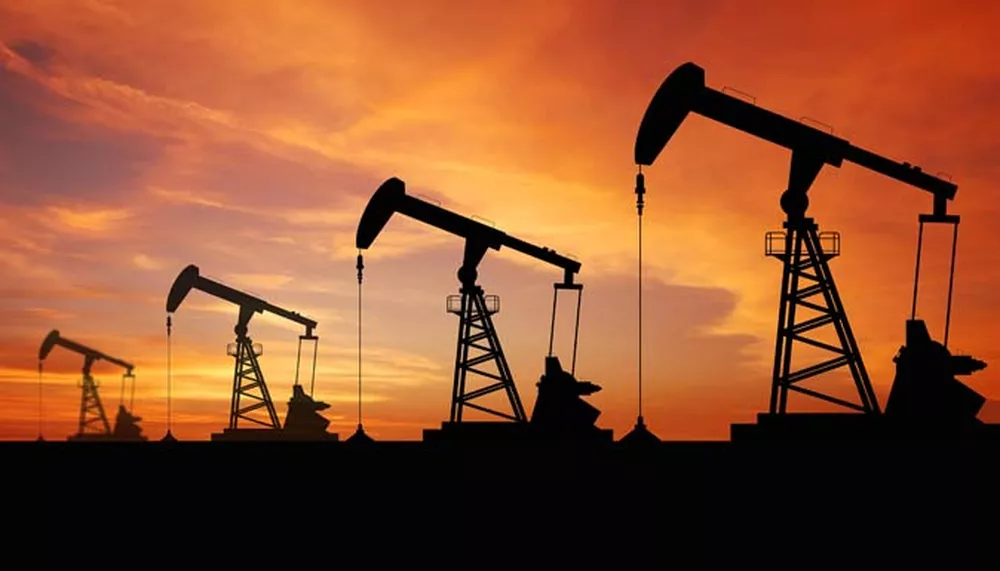
Faced with development imperatives, Africa continues to prioritize fossil fuels despite promises of energy transition and the urgency of climate change. Oil, in particular, remains at the heart of the continent’s economic strategies, as reflected in the sharp increase in refining capacity expected by 2030. This orientation contrasts with the global discourse on decarbonization, even as Africa bears the brunt of climate change.
Development Versus Climate
Droughts and other climate-related disasters have already caused considerable economic losses in Africa. To meet growing needs in health, education, infrastructure, and energy, African governments rely heavily on their oil resources. Crude oil exports represent a vital source of revenue, often used for debt repayment, as is the case in Nigeria.
At the same time, African countries are seeking to increase the added value of this sector by developing local refineries — a strategy that is attracting more private investment thanks to tax and customs incentives. Projects such as the Dangote refinery in Nigeria or the Cabinda refinery in Angola illustrate this trend.
A “Balanced” and Pragmatic Transition
Aware of environmental pressures, African leaders advocate for a balanced approach to the energy transition. South African officials recently explained that they cannot sacrifice their economies for ecology. They argue that growth, employment, and access to energy are prerequisites for any genuine discussion on transition.
This pragmatism is justified by Africa’s relatively small contribution to greenhouse gas emissions (4% of global emissions), while the continent must simultaneously meet the energy needs of a rapidly growing population and finance its own development.
A Global Paradox
Africa’s orientation is not unique. Global investments in fossil fuels are on the rise, reaching record levels in 2024. Oil, though frequently criticized, remains a key driver of the world economy. Africa’s situation therefore reflects, in amplified form, this global paradox: nations preach transition while continuing to depend on fossil fuels for economic development.
In Africa, this dependency may well endure, serving as both a driver of growth and an obstacle to long-term sustainability.

Comments are closed, but trackbacks and pingbacks are open.