
In the energy and mining sectors, safety and security are no longer limited to regulatory compliance or operational risk management. They have become major strategic issues, on a par with economic performance, energy access, and the energy transition.
In Africa, where many projects are located in remote, sensitive, or politically complex areas, the ability to manage human, industrial, and security risks directly determines the viability of investments.
1. Safety and Security: Two Complementary Concepts
Although often used interchangeably, safety and security cover distinct but closely interconnected realities.
- Safety focuses on preventing industrial accidents and protecting workers, facilities, and the environment (HSE, process safety, fire prevention, explosions, pollution).
- Security addresses intentional threats such as intrusion, sabotage, theft, vandalism, terrorism, organised crime, or community-related conflicts.
In the energy and mining sectors, a security incident can quickly escalate into a safety accident, and vice versa. This is why an integrated approach is essential.
2. Sectors Particularly Exposed to Risk
Energy and mining projects in Africa combine several vulnerability factors:
- Remote and isolated locations, often with limited infrastructure
- Critical assets (power plants, pipelines, mines, transmission lines)
- Capital-intensive operations, where any disruption is costly
- Large workforces, both local and expatriate
- Social and land-related challenges involving host communities
In some regions, these structural risks are compounded by broader security threats linked to political instability or armed groups.
3. Industrial Safety and HSE: A Non-Negotiable Requirement
Industrial safety remains the foundation of all energy and mining activities. Major accidents can result in:
- Severe human consequences,
- Long-lasting environmental damage,
- Heavy legal and financial liabilities.
Operators are increasingly subject to strict international standards:
- ISO standards (45001, 14001),
- Requirements from international lenders,
- World Bank and IFC performance standards.
Beyond compliance, a strong safety culture has become a driver of performance: fewer accidents, reduced downtime, and enhanced credibility with investors.
4. Site Security: A Business Continuity Challenge
Security has become a central concern in many African energy- and resource-producing countries.
The most common threats include:
- fuel and mineral theft,
- site intrusions,
- sabotage of energy infrastructure,
- tensions with local communities,
- terrorist risks in certain areas.
Protecting sites, personnel, and logistics is now fully integrated into business continuity and risk management strategies.
5. The Growing Role of Technology
Technology is playing an increasingly important role in modern safety and security systems:
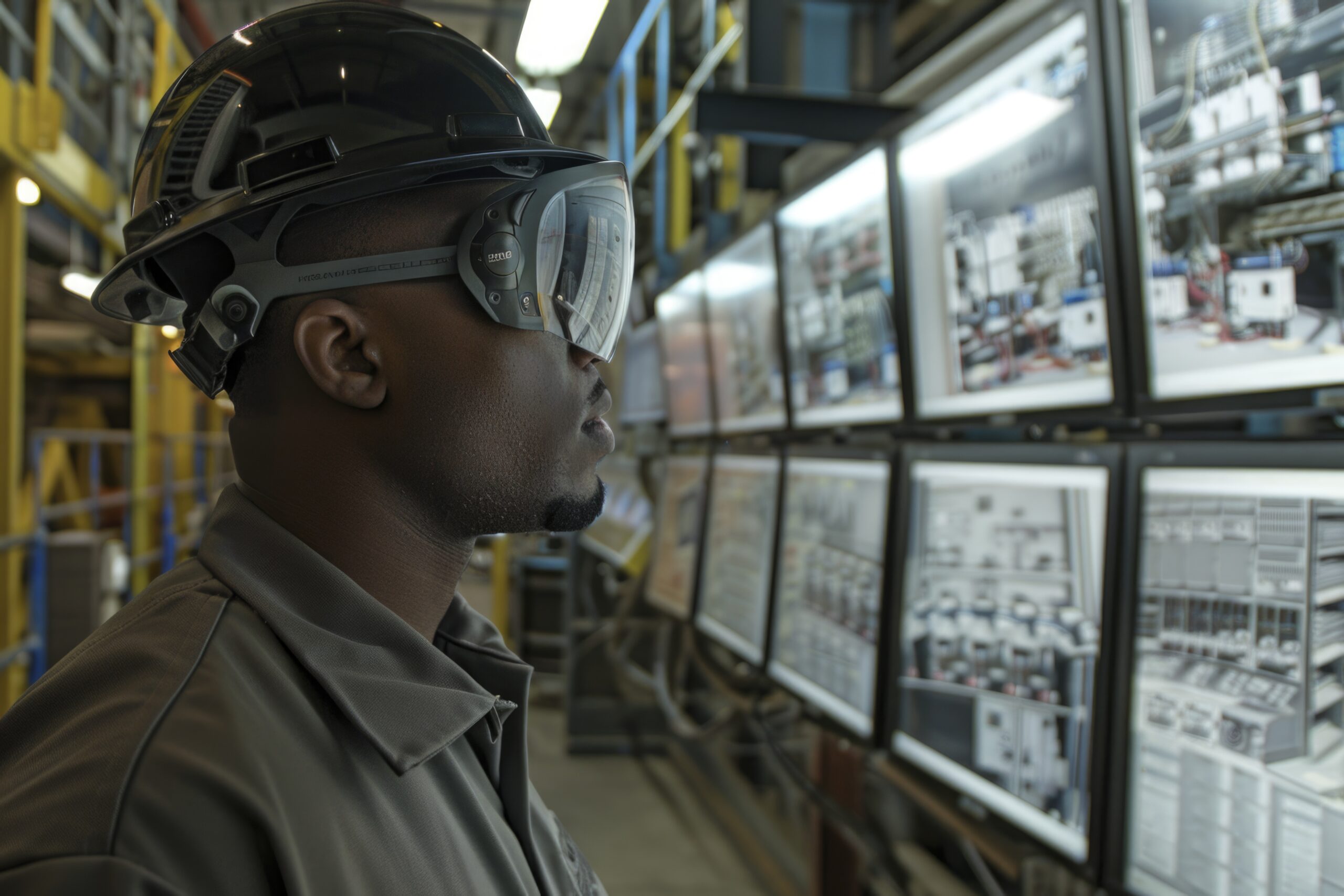
- intelligent video surveillance and behavioural analytics,
- drones for site and pipeline monitoring,
- perimeter sensors and early-warning systems,
- cybersecurity for industrial control systems (OT),
- digital platforms for risk management.
These tools enable a proactive approach, focused on anticipation rather than reaction.
6. Safety, Security and ESG: An Increasingly Strong Link
ESG (Environmental, Social and Governance) criteria have profoundly reshaped the perception of safety and security.
- Unsafe or poorly secured sites are now viewed as financial risks.
- Investors assess operators’ ability to manage crises, protect workers, and engage responsibly with communities.
- Insurers increasingly factor safety and security performance into their coverage models.
👉 Safety and security have become key indicators of governance quality and credibility.
7. Towards a Holistic and Integrated Approach
Current trends point towards:
- holistic risk management,
- integrating safety and security at the project design stage,
- stronger coordination between operators, authorities, and local communities,
- increased investment in training and local skills development.
Such an approach is essential to ensure the long-term sustainability of energy and mining projects in Africa.
In the energy and mining sectors, safety and security are no longer support functions. They are strategic pillars of performance, sustainability, and investment attractiveness.
In Africa, where risks are multiple but opportunities are immense, operators capable of addressing these challenges in a professional and forward-looking manner will gain a decisive competitive advantage.

Comments are closed, but trackbacks and pingbacks are open.